How to Recover Safely After an Unexpected Physical Injury
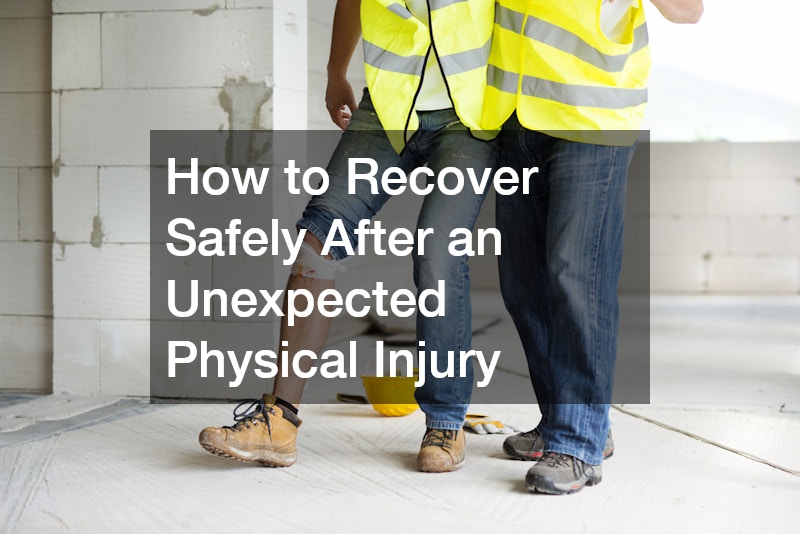
An unexpected physical injury can throw your entire life out of balance in a single moment. Whether it happens during a sudden car accident on your way to work, a slip on a wet floor, or a painful mistake while lifting something heavy, the immediate aftermath is often overwhelming. One minute you are going about your normal daily routine, and the next you are facing severe pain, confusion, and a long list of stressful questions about your health, your job, and your finances.
When an accident occurs, it is completely normal to feel a mix of shock, fear, and frustration. However, how you handle the hours, days, and weeks following an injury plays a massive role in how well your body heals. Rushing back to your normal activities too quickly or ignoring minor aches can lead to long-term chronic pain or permanent structural damage. True recovery is a patient journey that requires a careful, step-by-step strategy. This comprehensive guide will walk you through the essential steps to build a safe recovery plan, assemble a trusted medical team, protect your legal rights, and regain your physical independence.
Setting Your Medical Foundation and Returning to Work Safely
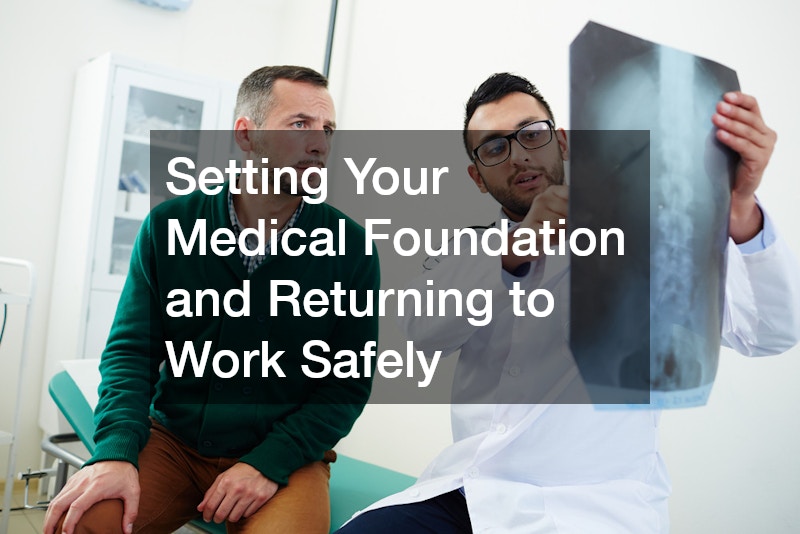
The moments immediately following an injury are critical. Even if you walk away from an accident feeling mostly fine, your body is flooded with adrenaline, which can temporarily mask serious pain and cover up structural damage. Internal bruising, muscle tears, and neck injuries like whiplash often take twenty-four to forty-eight hours to fully show their symptoms. Seeking an immediate medical evaluation is the only way to ensure hidden problems are caught and treated early.
For long-term recovery, you need a central healthcare manager to oversee your progress and coordinate your treatments. Scheduling an appointment with your primary care doctor should be your very first goal. This professional knows your complete medical history and can serve as the captain of your recovery team. They will track your physical healing, order necessary diagnostic tools like X-rays or MRIs, prescribe temporary medications, and refer you to trusted specialists if your injuries require advanced care.
For individuals who earn a living driving commercial vehicles or operating heavy machinery, returning to work requires clearing strict regulatory hurdles. You cannot simply return to duty whenever you feel better; you must prove that your body can handle the physical demands of the job safely. To do this, you will need to undergo official CDL physicals administered by a certified medical examiner. These thorough examinations ensure that your vision, hearing, blood pressure, and physical mobility meet strict federal safety standards, protecting both your livelihood and the public on the road.
When working with your medical team to prepare for a return to work, consider these essential steps:
- Request a written list of specific physical restrictions, such as maximum lifting weights or required sitting breaks, to hand directly to your employer.
- Keep a detailed log of every medical appointment, prescription, and doctor note to provide a clear timeline of your rehabilitation.
- Follow your doctor’s instructions exactly, even if you start feeling better, to avoid re-injuring yourself and setting your recovery back by months.
Restoring Spinal Health and Neurological Alignment
A sudden physical impact can wreak havoc on your body’s structural framework. When you experience a sudden twist, fall, or crash, the force travels through your muscles and joints, often pulling your spine out of its proper alignment. When the spine is misaligned, it can compress sensitive nerves, restrict your natural range of motion, and cause widespread muscle spasms, chronic headaches, or shooting pain down your legs.
To address these deep structural imbalances, many people incorporate spinal specialists into their rehabilitation plans. Booking a consultation with a licensed chiropractor can help restore balance to your musculoskeletal system. These professionals specialize in evaluating the relationship between your spine and your nervous system. By using gentle, targeted hands-on pressure, they can safely realign your vertebrae, relieve pressure on pinched nerves, and reduce the painful muscle tension that builds up after a traumatic event.
Consistency is key when it comes to physical rehabilitation. Traveling long distances while dealing with severe back or neck pain can aggravate your symptoms and make your recovery much harder. It is highly beneficial to look for a clinic close to your home or office and schedule regular, local chiropractic treatment. Keeping your therapy sessions close by reduces the stress of long commutes, makes it easier to stay committed to your care plan, and ensures your joints receive the steady, ongoing adjustments they need to heal correctly.
To maximize the benefits of your structural treatments, try practicing these supportive daily habits at home:
- Apply an ice pack to inflamed or sore areas for fifteen minutes at a time to naturally numb pain and reduce swelling.
- Wear supportive, flat shoes to all your appointments to give your spine a stable, even base while your joints are rebalancing.
- Avoid sitting in soft, sagging couches or slouched positions; choose firm chairs that support the natural curve of your lower back.
Protecting Foot Alignment and Supporting Your Body’s Base

When you injure a leg, knee, or ankle, your natural way of walking changes instantly. To avoid putting weight on the painful side, you begin to limp, tilt your pelvis, and lean your torso in the opposite direction. While this uneven walking pattern protects your injured limb temporarily, it creates a dangerous domino effect throughout the rest of your body. Shifting your weight unevenly forces your healthy joints to absorb double the shock, quickly leading to new, severe pain in your opposite knee, hip, and lower back.
To prevent these secondary injuries, you must protect your body’s foundation. Taking the time to explore specialized foot orthotics solutions can provide your lower body with the balance and stabilization it desperately needs. These therapeutic shoe inserts are designed to absorb the heavy shock of walking, correct imbalances in your gait, and ensure that your body weight is distributed evenly across both feet, allowing your posture to return to a natural alignment.
While generic, store-bought insoles offer a small amount of cushioning, they are mass-produced and do not match the specific shape of your arches. For true corrective support, it is well worth investing in prescription custom orthotics. These inserts are created by taking precise 3D scans or plaster molds of your feet in a medical office. Because they are built exactly for your unique anatomy, they provide precise arch support, correct specific gait abnormalities, and alleviate chronic pressure points, helping you walk comfortably and safely throughout your recovery.
Consider these practical tips for selecting and using corrective shoe inserts:
- Bring your most frequently worn everyday shoes to your evaluation to ensure the inserts are built to fit inside them comfortably.
- Break your new inserts in gradually, wearing them for just one or two hours on the first day and slowly increasing the time as your feet adapt.
- Check your footwear regularly for uneven wear patterns on the soles, which can indicate that your body weight is still shifting incorrectly.
Managing Discomfort and Navigating Legal Steps

Dealing with the physical pain of an injury can be exhausting, draining your energy, and making it difficult to sleep or focus on your rehabilitation exercises. At the same time, the sudden arrival of expensive emergency room bills, medication costs, and lost wages from missing work can cause immense mental stress. Balancing your daily physical comfort while simultaneously protecting your financial future is a delicate but necessary part of the recovery process.
Developing a safe, comprehensive strategy for pain management is essential to keep you moving forward. Rather than relying solely on heavy prescription medications, a well-rounded approach combines doctor-approved anti-inflammatory drugs with natural remedies like heat packs, ice therapy, gentle stretching, and plenty of restorative sleep. Managing your discomfort safely keeps you comfortable enough to participate in your physical therapy sessions without risking a dangerous dependency on prescription painkillers.
If your accident was caused by another person’s carelessness, such as a distracted driver or a property owner who left the sidewalk icy, you should not have to carry the financial burden alone. Navigating insurance claims can be incredibly confusing, and insurance companies often try to settle quickly for a minimal amount before you even know the full extent of your medical needs. Speaking with a local personal injury lawyer immediately after your accident can safeguard your rights, shield you from high-pressure tactics, and ensure your medical bills are fully covered.
To protect your legal and financial stability while you heal, follow these vital steps:
- Never sign any insurance settlement papers or give recorded statements without consulting a legal professional first.
- Request itemized copies of every single medical bill, ambulance charge, and pharmacy receipt you receive.
- Keep a daily journal tracking your pain levels, your physical limitations, and how the injury directly impacts your quality of life.
Overcoming Long-Term Legal Challenges and Staying Mobile
As your recovery stretches into weeks or months, the legal and administrative challenges can become more complicated. Insurance adjusters may dispute who caused the accident, or they may claim that your medical treatments are unnecessary. Trying to fight these complex corporate arguments while you are physically hurting can stall your health progress, as stress slows down the body’s natural ability to heal.
To take this heavy burden off your shoulders, it is wise to let an experienced injury lawyer handle the legal battles for you. A dedicated professional can step in to gather official police reports, interview witnesses, analyze video footage, and negotiate directly with insurance companies. Having a legal advocate fight for your fair compensation allows you to step back and focus one hundred percent of your energy on your physical rehabilitation and doctor appointments.
While your legal case is moving forward behind the scenes, you still have to manage the practical realities of daily life. Severe leg, foot, or pelvic injuries can make walking even short distances an impossible challenge. Being trapped inside your home can take a serious toll on your mental health, making you feel isolated and dependent on others for basic errands like grocery shopping or visiting the pharmacy.
To maintain your independence and enjoy fresh air safely, consider utilizing advanced assisted transport devices. Renting or purchasing a battery-powered mobility scooter can instantly restore your freedom of movement. These reliable, easy-to-steer vehicles allow you to safely navigate sidewalks, parks, and grocery store aisles without placing any dangerous weight or strain on your healing bones and muscles, keeping you active and connected to the world throughout your recovery journey.
Incorporating Gentle Movement and Emotional Support
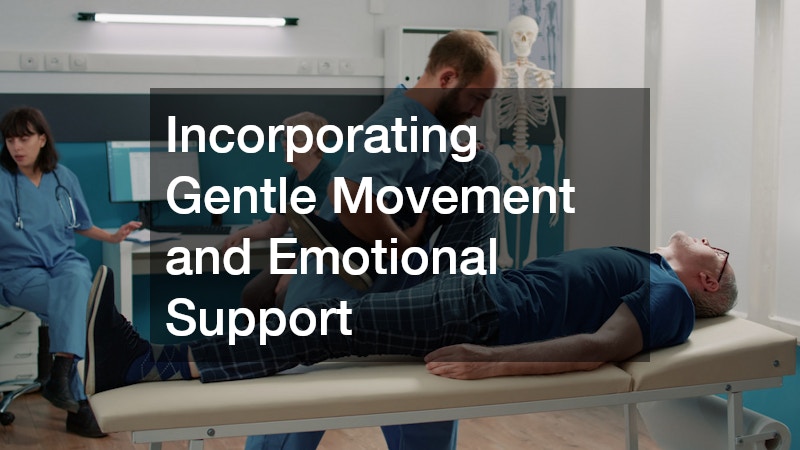
As your body reaches the mid-point of the recovery process, your focus will slowly shift from complete rest to rebuilding your physical capability. Many patients make the mistake of staying completely still for too long, fearing that any movement will trigger pain. However, long periods of absolute inactivity can cause your muscles to shrink, your joints to freeze up, and your blood circulation to slow down. Controlled, low-impact exercise is a vital ingredient for reclaiming your strength.
Under the guidance of your primary healthcare provider, you can slowly integrate light activities into your weekly routine. Gentle movements like slow walking, swimming in a warm pool, or using stationary exercise bikes can stimulate blood flow and speed up tissue repair. These activities allow you to build muscle endurance and loosen stiff tendons without subjecting your body to dangerous high-impact forces or sudden, jerky motions.
In addition to physical rehabilitation, it is equally important to address the mental and emotional toll of a sudden injury. Dealing with chronic pain and sudden lifestyle limitations can leave you feeling deeply frustrated, anxious, or down. Emotional stress actually triggers chemical changes in your body that can make you more sensitive to physical discomfort, creating a frustrating cycle that stalls your physical progress.
To protect your emotional well-being while your body repairs itself, consider these supportive strategies:
- Connect with friends and family members regularly, either through phone calls or brief backyard visits, to prevent feelings of isolation.
- Join local or online patient support groups where you can share stories and advice with others recovering from similar physical setbacks.
- Practice basic deep-breathing exercises or mindfulness techniques for ten minutes every morning to lower your stress hormones and calm your nervous system.
Conclusion
Recovering from an unexpected physical injury is a true test of patience, resilience, and discipline. There are no magical shortcuts to healing a damaged body; true wellness is built step by step, milestone by milestone. By trusting the guidance of your primary care doctor, correcting structural alignment issues, protecting your legal rights, and utilizing modern mobility tools, you can navigate this challenging chapter safely and effectively.
Do not let the initial shock or stress of an accident paralyze your progress. Take control of your rehabilitation today by organizing your medical paperwork, reaching out to trusted specialists, and giving your body the rest and professional care it needs. Listen closely to your physical limits, celebrate the small victories along the way, and move forward with the confidence that you are building a stronger, healthier future.




Post Comment