The New Familys Guide to Preventative Dental Health
Understanding how to care for your family’s dental health can seem overwhelming. This guide provides the answers to your most pressing questions and offers insight into maintaining bright, healthy smiles. Through proper education and resources, families can ensure their oral health remains in peak condition.
1. What are the Basics of Preventative Dental Care?
The Importance of Routine Check-Ups
Preventative dental care starts with regular check-ups. Dental experts recommend visiting your dentist every six months to catch potential problems early. Regular visits allow for thorough cleanings and monitoring, essential for maintaining oral health.
Consistent check-ups help prevent the development of cavities and gum disease. They also foster a trust-based relationship with your dental care services provider. This proactive approach ensures that more invasive treatments can be avoided.
Home Dental Care Best Practices
At-home dental care is crucial in preventing oral diseases. Brushing twice daily with fluoride toothpaste is a fundamental step. Flossing at least once daily ensures that plaque and debris are removed from between the teeth.
Using a mouthwash can provide additional protection against plaque and bacteria. Dental experts suggest selecting products that offer fluoride and antibacterial properties. Regular home care enhances the effectiveness of professional dental services.
2. How Can Implant Dentistry Improve Your Oral Health?
Understanding Dental Implants
Implant dentistry involves the placement of artificial roots into the jawbone. These dental implants provide a stable foundation for artificial teeth. They closely mimic the natural structure and function of real teeth.
The implant procedure typically requires a few months to complete. The process includes the placement of the implant, followed by a healing period and the attachment of a crown. Proper aftercare, guided by dental care services, ensures the longevity of the implants.
Implants can prevent bone loss and preserve facial structure. By replacing missing teeth, they also restore proper chewing and speaking functions. This comprehensive solution has become an increasingly popular choice among adults seeking robust dental health solutions.
Benefits Over Traditional Solutions
Dental implants offer several advantages over traditional bridges or dentures. Unlike bridges, implants do not rely on adjacent teeth for support. This independence reduces the stress and wear on natural teeth.
Implants are highly durable and can last a lifetime with proper care. Patients who choose implant dentistry often report improved comfort and confidence. This enduring solution is considered one of the most effective in modern dentistry.
The integration of implants helps preserve surrounding teeth and gum tissue. This conserves oral health and prevents the shifting of adjacent teeth. Implants, therefore, serve both functional and aesthetic purposes, enhancing overall dental health.
3. Is Invisalign the Right Choice for Your Family?
Benefits of Invisalign Over Braces
Invisalign offers a discreet alternative to traditional metal braces. The clear aligners are popular for their near-invisible appearance. They cater to both adults and teenagers seeking orthodontic improvements without visible brackets.
The aligners are removable, allowing easier oral hygiene compared to permanent braces. Users can eat and drink without restrictions as aligners can be taken out. This flexibility promotes better dental care practices throughout the treatment.
Invisalign treatments generally involve fewer visits to the orthodontist. The custom aligners are designed for comfort, minimizing irritation in the mouth. As a result, Invisalign is often preferred for its aesthetic and practical advantages.
Cost and Treatment Duration
Invisalign can sometimes be similar in cost to traditional braces, depending on the complexity of the case. Many dental care services offer financing options, making the treatment more accessible. Consultation with a qualified orthodontist will determine the exact costs involved.
The typical treatment duration for Invisalign ranges between 12 to 18 months. Each aligner is worn for about two weeks before moving on to the next in the series. Commitment to wearing them for 20-22 hours a day is crucial for optimal effectiveness.
Family members considering Invisalign should weigh the personal discipline required. The ability to remove the aligners necessitates a commitment to consistent use. With proper adherence, Invisalign can effectively straighten teeth and enhance oral health.
4. How Do I Choose the Right Dental Care Services?
Evaluating Different Provider Options
Selecting the right dental care services requires careful consideration of various factors. Start by researching the credentials and reputation of potential providers. Look for those who are well-reviewed and have a track record of satisfied patients.
A provider should offer a comprehensive range of services, from routine check-ups to specialized treatments such as implant dentistry. Availability of emergency care can also be a distinguishing factor. Proximity to home or work may also influence your decision.
It is advisable to meet with potential providers to discuss your specific needs. Consider how comfortable you feel with the staff and environment. A good fit is essential for maintaining a long-term partnership in oral health care.
Factors to Consider for Quality Service
Quality dental care services prioritize patient education and preventive measures. They actively involve patients in decision-making and treatment planning. Communication is key, and providers should be attentive to patient concerns and questions.
Advanced technology and updated practices are markers of a forward-thinking dental office. This can include digital imaging, laser treatments, and the latest in restorative care. These innovations contribute to more accurate diagnoses and minimally invasive procedures.
Additionally, look for a provider who collaborates with other specialists when necessary. This can include referrals to orthodontists or a pediatric dentist. Such collaboration ensures a holistic approach to family dental health.
5. When Should You Consult Dental Experts?
Recognizing Dental Health Issues
Dental experts should be consulted when unusual symptoms arise. Symptoms can include persistent bad breath, bleeding gums, or chronic pain. Early detection and intervention by qualified professionals can prevent further complications.
Changes in the mouth, such as sudden tooth sensitivity or visible discoloration, warrant professional evaluation. Dental care services aim to diagnose issues at the earliest signs. Addressing concerns promptly can save time and reduce treatment costs.
Regular consultations confirm the health of existing dental work, like fillings or crowns. Assessments ensure that no underlying problems are apparent. Regular input from experts contributes to the ongoing preservation of oral health.
Types of Dental Specialists Available
A variety of dental experts specialize in different aspects of oral health. An orthodontist focuses on correcting teeth alignment and bite issues. Pediatric dentists cater specifically to children, addressing unique developmental needs.
Periodontists treat diseases affecting the gums and surrounding support structures. Endodontists are involved in treating issues within the tooth pulp and nerves. Each plays a vital role in maintaining the comprehensive oral health of patients.
Expert consultations encourage a better understanding of specialized treatments. Patients can be referred to the appropriate specialist for specific needs. This network in dental care ensures comprehensive solutions for complex issues.
6. How to Find a Trusted Orthodontist?
Qualities of a Good Orthodontist
A good orthodontist should possess a high level of training and certification. Look for those who continually update their skills through education. These professionals commit to providing the most current treatment options available.
Reputation and patient feedback are pivotal in selecting the right orthodontist. Positive reviews and testimonials can shed light on their patient care approach. Personalized care and patience in explaining procedures should be expected qualities.
Additionally, a successful orthodontist fosters a friendly and understanding environment. This includes clear communication regarding treatment plans and costs. Such transparency helps alleviate anxiety and build trust with patients.
Questions to Ask During Your Consultation
Pertinent questions during an orthodontic consultation include discussing treatment options. Inquiry about procedures, such as Invisalign versus traditional braces, is crucial. Knowing the pros and cons allows for informed decision-making.
Understanding the expected treatment timeline and frequency of visits is essential. Further inquiries regarding anticipated results and post-treatment care are advisable. Such discussions are part of comprehensive treatment planning.
It is also important to ask about the financial aspects, including possible insurance coverage. Understanding potential out-of-pocket expenses is necessary for budget planning. Clarity in these areas contributes to a worry-free treatment process.
7. What Should You Know About Dental Implants?
The Steps Involved in the Implant Process
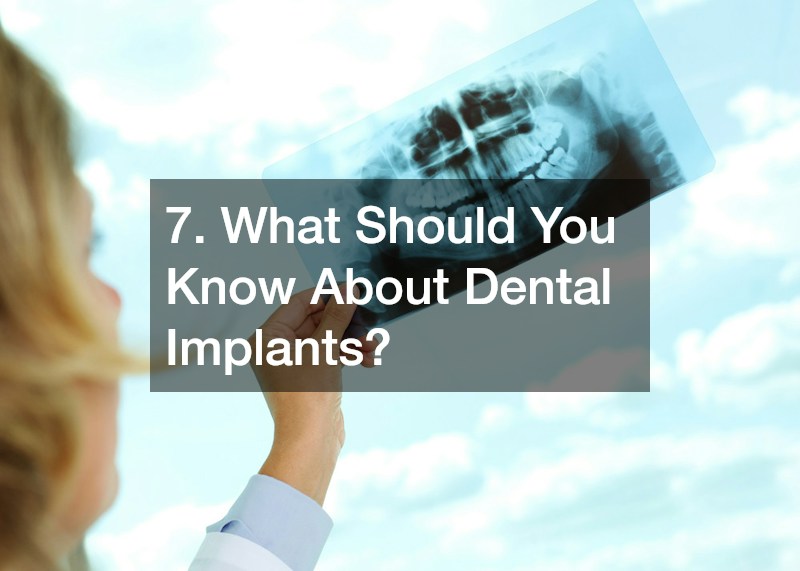
The dental implant process begins with a thorough assessment by dental experts. They evaluate the condition of the jawbone and ascertain overall suitability. If necessary, preparatory procedures, such as bone grafting, are undertaken.
Surgical insertion of the implant involves embedding a titanium post into the jaw. Post-surgery, healing and integration of the implant with bone occur over months. This foundational phase is critical to the success and functionality of the implant.
The final phase includes attaching an abutment and custom-made crown. These components provide the final appearance and function needed. Following completion, regular appointments ensure that the implant remains healthy.
Aftercare for Dental Implants
Aftercare is crucial for the longevity of dental implants. Regular check-ups and cleanings are necessary to monitor the implant’s status. Dental care services will guide ongoing oral hygiene practices tailored to implants.
Good oral hygiene involves careful brushing, flossing, and antibacterial rinses. These steps protect against infection and preserve surrounding gum tissue. Diet should include nutritious foods and limited sugary or acidic intake.
8. How to Prepare Children for Their First Visit to a Pediatric Dentist?
Making the Visit Fun and Educational
Approaching a dental visit with a positive attitude sets a reassuring tone for children. Explain procedures playfully to transform it into an adventure. Familiarizing them with the dental environment can mitigate fear and anxiety.
Choose a pediatric dentist known for their friendly and playful approach. They often have engaging techniques and kid-friendly educational tools. Going over what to expect ensures children are comfortable and cooperative.
What to Expect During the First Appointment
The initial appointment usually includes an introduction to the dental setting. The pediatric dentist will perform a gentle examination and cleaning. They aim to create a comforting and engaging atmosphere tailored to children.
The dentist may count the child’s teeth and demonstrate proper brushing techniques. Parents are encouraged to participate and ask questions about oral care. This collaboration sets the stage for continued proactive dental health management.
9. What Role Does Your Local Pharmacy Play in Dental Health?
Products and Services Offered
Local pharmacies serve as accessible resources for oral care products. They offer a variety of essential items including toothpaste, floss, and mouthwash. These readily available products support daily oral hygiene maintenance.
Pharmacies often provide professional advice on the best products tailored to individual needs. They may offer kits and tools specific to implant care or Invisalign maintenance. This convenience enhances routine care, contributing to consistent oral health.
Guidance on Medicines for Dental Care
Pharmacists can offer valuable insight into medications impacting oral health. Queries about side effects or interactions with dental treatments are addressed. This ensures coordinated care between dental experts and local pharmacy professionals.
For those with dental anxiety, pharmacies may provide mild sedatives on recommendation. Pain management medications for post-procedure discomfort are also available. Understanding proper medication use supports recovery and health maintenance.
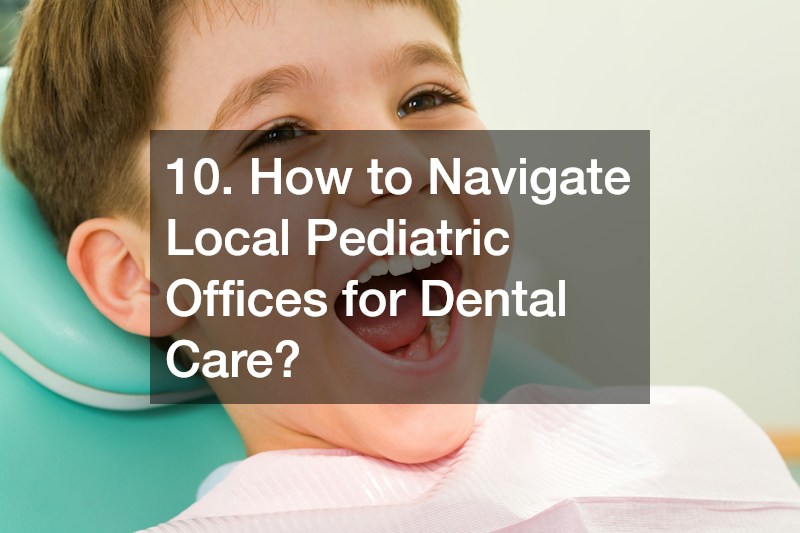
10. How to Navigate Local Pediatric Offices for Dental Care?
Finding the Right Fit for Your Child
Investigating local pediatric offices involves considering several factors. Proximity and convenient office hours often influence accessibility. Researching provider credentials and specialties ensures quality care is delivered.
Parents may seek recommendations from friends, family, or online reviews. First impressions during a consultation can guide the decision-making process. Observing the office environment and staff interactions can also be revealing.
Selecting a practice that offers comprehensive and personalized care is ideal. Confirmation of acceptance of insurance plans and payment options is necessary. A well-rounded assessment will secure a nurturing dental home for your child.
11. Can a Holistic Nutritionist Influence Dental Health?
The Impact of Nutrition on Oral Health
Holistic nutritionists emphasize the connection between diet and oral health. Nutrient-rich foods can strengthen teeth and gums, reducing disease risk. A diet low in sugar and processed foods supports overall dental well-being.
Calcium, phosphorus, and vitamin D are critical nutrients for maintaining tooth health. Consuming dairy products, leafy greens, and fish contributes to strong enamel. These dietary considerations complement daily oral hygiene routines.
Holistic approaches also advocate for whole-body health, improving immune responses. A robust system helps fend off infections and enhances recovery periods. This perspective advocates for treating the root causes of dental issues through nutrition.
With the right information and proactive measures, families can maintain excellent dental health. This guide aims to equip you with the tools and knowledge needed to make informed decisions and foster healthy smiles for years to come. By embracing both traditional practices and modern innovations, families ensure their dental future is bright and resilient.




Post Comment